Key Takeaways
- A standard screenplay page represents approximately one minute of screen time, serving as the primary metric for production scheduling.
- Technical limitations like shooting on a smartphone can be turned into a stylistic advantage if the narrative is character-driven.
- Independent films that succeed globally often focus on hyper-local class commentary that resonates with universal human experiences.
- Sound design is the most critical element of a low-budget production; audiences forgive poor visuals more readily than poor audio.
- The 'independent spirit' is defined by the filmmaker's ability to maintain creative control while working with limited financial resources.
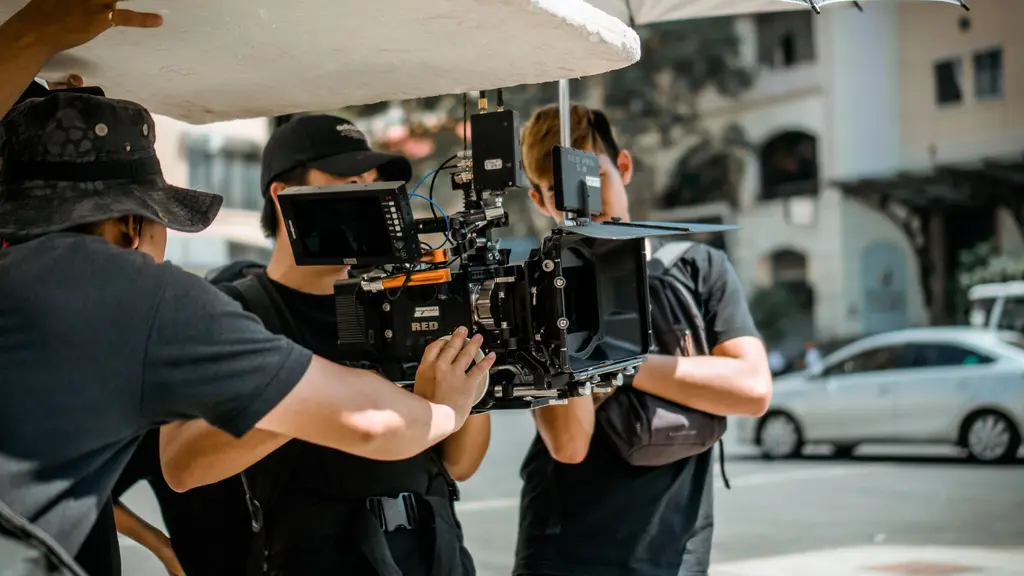
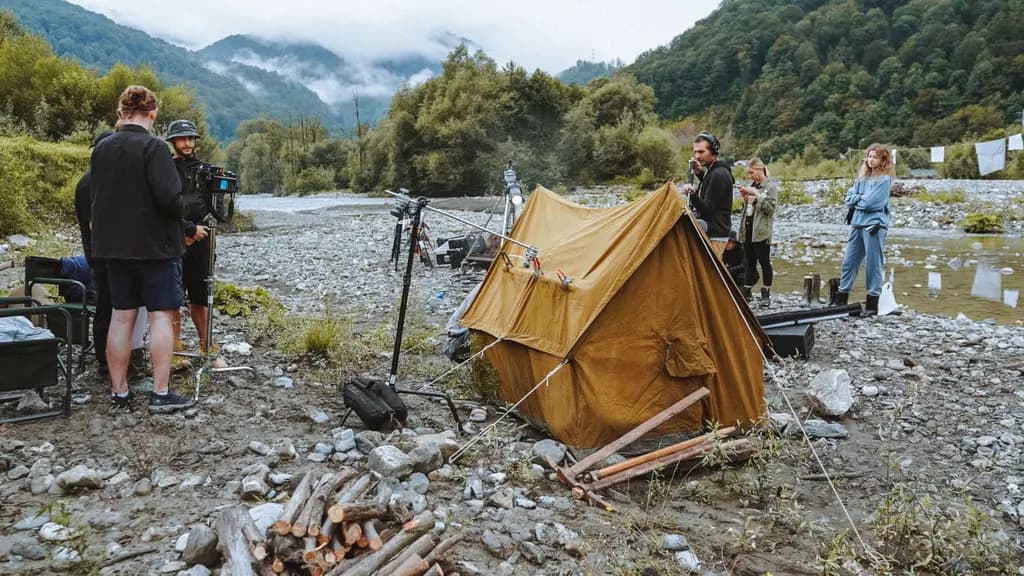
The schedule falls apart at 4pm. You are losing the light, the lead actor is annoyed because the catering ran out of coffee, and you still have two pages of dialogue to cover. This is not the glamorous life of a studio tentpole producer with a fleet of trailers. This is the reality of the Indian independent filmmaker. You aren't just the director; you are the fixer, the negotiator, and often, the person hauling the gear into the back of a hatchback.
"Independence" in our context is frequently misunderstood as a geographic label—the idea that if you aren't on the payroll of a major conglomerate like Dharma, YRF, or Excel, you’re an indie. That’s a mistake. True independence is a resourcefulness quotient. It is the ability to leverage your constraints—your lack of a 50-person crew, your limited shooting days, your shoestring budget—to force a narrative impact that a bloated production could never replicate.
1. The Historical Evolution of Independent Cinema#
The historical trajectory of independent cinema is marked by a shift from rebellion to precision. In the early days, you had John Cassavetes running around with a 16mm Bolex camera, capturing raw, kinetic life because he couldn't afford a studio soundstage. He wasn't trying to be "indie"; he was trying to capture truth. When you look at his 1974 masterpiece, A Woman Under the Influence, you aren't seeing a lack of budget. You are seeing a deliberate choice to strip away the artifice. By eschewing traditional lighting setups and studio interference, early pioneers proved that narrative intent is the primary driver of quality. Today’s filmmakers must learn from this, understanding that the lack of resources is not an excuse for poor production value but an opportunity to innovate visual language. You must treat your limitations as a creative framework rather than a hurdle to be jumped.
2. Defining the Micro-Budget Entrepreneur#
In the Indian market, the definition is shifting. We categorize micro-budget films as those operating under ₹50 lakhs to ₹1 crore. If you are working in that space, you are essentially an entrepreneur who happens to use a lens. You are navigating an Overton Window—the range of stories that audiences find acceptable—and trying to nudge that frame just enough to include your perspective. The goal isn't to mirror the slickness of a big-budget tentpole; it’s to provide a texture that the mainstream refuses to touch. You have to manage your finances with the precision of a CFO while maintaining the artistic vision of an auteur. This means knowing exactly where every rupee goes, from the coffee on set to the hard drives used for backups. In this space, you learn to negotiate locations and talent by offering genuine artistic partnership rather than transactional fees.
3. Why Micro-Budget Does Not Mean Low Quality#
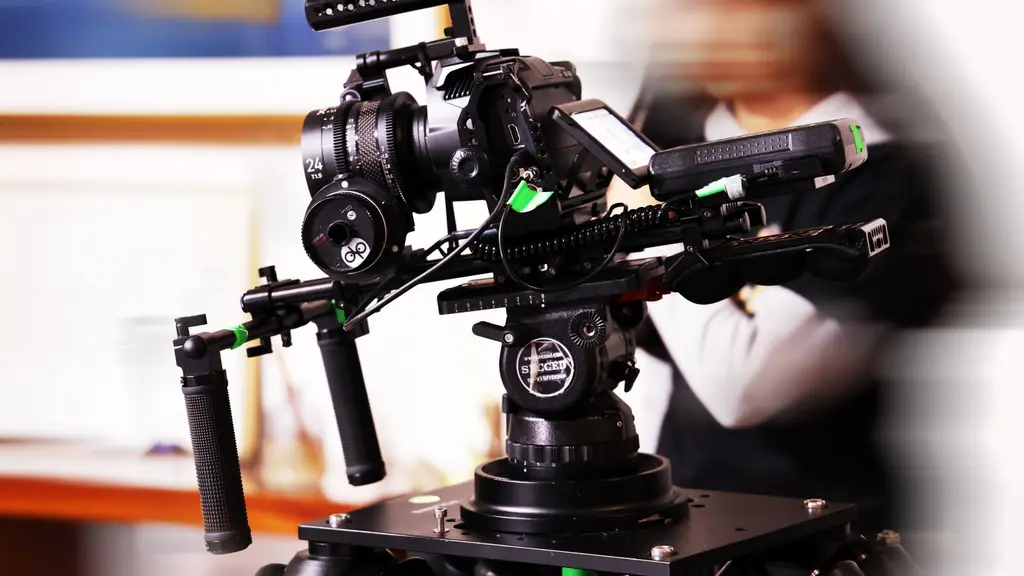
The biggest trap you can fall into is believing that your camera gear is the barrier between you and a festival circuit slot. It isn't. Sean Baker proved this with Tangerine (2015). He shot the entire feature on three iPhone 5s devices using the Filmic Pro app. He didn't have a massive lighting package; he had the natural glow of a donut shop and the grit of the Los Angeles streets. The film looked better than half the big-budget features released that year because the cinematography served the story, not the other way around. Most amateurs obsess over lens specs while their audio sounds like a wind tunnel. If your audience can see the flaws in your lighting, they might forgive you. If they can’t understand your dialogue, they will walk out. Prioritize a high-quality field recorder and a decent shotgun mic before you rent that anamorphic glass you don't actually need.
4. Mastering the Slow-Burn Narrative Technique#
A "slow-burn" is often used as a polite way to describe a movie where nothing happens. Do not let that happen to you. A slow-burn is actually a high-tension environment where the stakes are internal. Look at A Woman Under the Influence or even contemporary works like Drive My Car. The pacing is deliberate because the character study demands it. When you are writing, remember that a standard professional screenplay page equates to about one minute of screen time. If your "slow" scenes are running five pages without a pivot point, you aren't pacing; you’re stalling. You need to leverage the intimacy of the format. Since you don't have the budget for a 20-minute car chase, your set pieces must be emotional. Every dialogue beat should either reveal a character’s vulnerability or change the power dynamic of the scene, ensuring the audience remains hooked despite the lack of traditional action-heavy spectacle.
INT. KITCHEN - NIGHT
The tap drips. RAHUL stares at the unpaid electric bill.
RAHUL
We have exactly enough for the rent. That’s it.
In Scriptory: Screenplay Editor
Thirteen industry element types with per-element Tab, automatic (CONT'D), character autocomplete and real page geometry — the same geometry the PDF exporter prints from.
Where: Open any script
5. The Strategy of Subversive Screenwriting#
Hollywood loves the three-act structure because it is a reliable machine for generating profit. But you aren't building a machine; you are building a soul. Independent films frequently subvert the three-act structure to prioritize character depth over plot milestones. You can skip the "all is lost" moment if your character’s arc is about a quiet realization rather than a big explosion. The mistake most writers make is assuming their script needs to be "universal" to succeed. That is backwards. Parasite (2019) shattered the subtitles barrier not because it was generic, but because it was hyper-specific to the class dynamics of Seoul. By digging into your own local reality—the specific way a city feels at 4am or the specific tension in a middle-class household—you hit something universal. Specificity is the only thing that travels across borders, so embrace the hyper-local details that others might consider "too niche."
6. Pre-Production Breakdown for Efficiency#
When you are working with a micro-budget, you have to be a multi-hyphenate. You are the director, the scout, and the scheduler. You need to pull your production requirements out of your script early. If your scene calls for a "cluttered office," you need to know exactly how many props that requires, which cast members are needed, and how long it takes to light that space. If you aren't breaking down your script in pre-production, you are inviting disaster on set. You need to see the schedule as a puzzle. If you have a day that requires three locations, you’ve already lost. Consolidate your scenes. Find a way to tell the story in a single room if you have to. A single, well-lit room with a compelling character beats a poorly managed set with five locations every single time, saving you precious hours and money.
CCTV monitor and stack of files are tagged.
PRIYAThey're watching the entrance, not the window.
In Scriptory: Script Breakdown
Tag props, cast, costume, vehicles, stunts and SFX on the page itself, then read them back grouped by department and by scene.
Where: Editor — Breakdown tab
7. The Crucial Role of Festival Strategy#
If you aren't thinking about your festival strategy (MAMI, IFFI, etc.) during your first draft, you are building a product with no storefront. Don't finish the edit before you know which festivals value your specific brand of storytelling. Different festivals have different "tastes"—some prioritize social realism, while others lean toward experimental stylistic choices. Researching the programmers and past winners of your target festivals allows you to tailor your edit to fit their curation styles. This isn't about selling out; it is about finding the right audience for your work. A film is not completed until it is seen, and festivals are the gatekeepers of the independent ecosystem. Treat your submission strategy as seriously as you treat your color grading or sound design, otherwise, your film may sit in a hard drive purgatory, never reaching the people it was meant to move.
8. Tangerine (2015): The iPhone Masterclass#
Sean Baker’s Tangerine serves as a primary case study for every aspiring independent filmmaker working in India today. By utilizing the iPhone 5s, he circumvented the traditional barriers of equipment rental, insurance, and heavy lighting crews. The lesson here is not just about the hardware, but about the mobility it affords. The camera can go where traditional rigs cannot, allowing for a kinetic, immersive style that puts the audience directly into the heart of the narrative. When shooting on limited resources, prioritize the mobility of your setup. The film demonstrates that when the lighting is natural and the story is tight, the audience never stops to ask what sensor was used. Study how he maintained high-contrast, vibrant colors despite the sensor limitations of the time, and apply that same principle of "working with what you have" to your current project.
9. A Woman Under the Influence (1974): Performance Focus#
Cassavetes understood that the performance is the only thing the audience truly anchors to. In A Woman Under the Influence, the camera is often static, allowing Gena Rowlands and Peter Falk to inhabit the frame without the pressure of complex camera movements. When you lack the budget for elaborate set pieces or special effects, your directing energy must go toward blocking and acting. Spend your limited rehearsals focusing on the subtext of the dialogue. If your actors understand the "why" behind every scene, the camera becomes secondary. Cassavetes’ approach to this film proves that when you commit to raw, unvarnished emotional honesty, the technical shortcomings of the production disappear entirely. This is the cornerstone of independent cinema: the human element always outweighs the technical finish. Your job is to create a safe space for your actors to fail and explore.
10. Parasite (2019): The Power of Hyper-Specificity#
Bong Joon-ho’s masterpiece shows that you do not need to aim for broad, generic appeal to capture a global audience. By focusing on the hyper-specific architectural and class-based realities of a Seoul household, he created a story that resonated with audiences from Mumbai to New York. As an Indian filmmaker, do not try to replicate the glossy aesthetic of a Western blockbuster. Instead, lean into the unique textures of your environment. Whether it is the specific clutter of a local shop or the unique dialect of your region, these are the elements that make your work stand out in a sea of homogenized content. Specificity creates authenticity, and authenticity is the most valuable commodity in the film market. Write what you know, even if you fear it is "too local," because that is exactly where your power lies.
11. Moonlight (2016): Structural Minimalism#
Barry Jenkins used a triptych structure to navigate the passage of time without requiring massive production design shifts or age-appropriate casting logistics that usually bloat a budget. By breaking the story into three distinct acts tied to specific, intimate moments, he focused on the internal psychological growth of his protagonist. Independent filmmakers should study this structural economy. How can you imply the passage of time without relying on expensive visual effects or extensive location changes? Jenkins proves that you can tell a sprawling epic of a human life within a very tight, focused narrative architecture. This structural discipline is your best friend when you have to shoot in a limited number of days. If you can frame your story around these types of pivotal, defined emotional chapters, you reduce your filming requirements significantly while increasing your emotional clarity.
12. Lady Bird (2017): Emotional Density#
Greta Gerwig’s Lady Bird demonstrates how to pack an entire worldview into a small, contained narrative space. Every scene in the film serves a dual purpose: it advances the character arc while reinforcing the central theme of the mother-daughter relationship. When you are editing your own work, look at every scene and ask yourself if it is "pulling its weight." In independent cinema, you cannot afford "fluff" or scenes that exist purely for transitions. Each moment must be dense with emotional meaning. By treating your script as a surgical instrument, you ensure that every minute of screen time is high-impact. This approach allows you to tell a story that feels massive and transformative, even if it is set entirely within the confines of a single city or, in some cases, just a few locations throughout the entire runtime.
13. Under the Skin (2013): Visualizing the Minimalist#
Jonathan Glazer’s Under the Skin provides a brilliant example of using minimalism to create a haunting, otherworldly atmosphere. By relying on stark visuals and a chilling, simple score, he managed to create a high-concept science fiction experience without a massive budget for CGI. He used the real-world environment of Scotland as a canvas, proving that your location scouting can do the heavy lifting that a digital effects artist usually would. As a filmmaker, look for the "alien" in your own backyard. You do not need expensive post-production software to create a sense of unease or wonder. You need a strong eye for composition and a commitment to keeping your frame uncluttered. When you strip away the digital noise, the audience’s imagination is forced to fill in the gaps, making the experience more personal and terrifying.
14. It Follows (2014): Genre as an Anchor#
It Follows uses the tropes of the horror genre to explore the anxieties of youth and the inevitability of death. By setting clear, unbreakable rules for his supernatural entity, David Robert Mitchell created a high-stakes environment that didn't require expensive jump scares or complex creature designs. Independent filmmakers should learn to use genre conventions as a frame for their personal stories. When your plot is anchored to a recognizable genre, the audience is more willing to follow you into deeper, more experimental thematic territory. Whether it is a thriller, a romance, or a drama, choose a lane that allows you to explore your message. The genre provides the skeleton, while your personal experience provides the flesh. This makes your film accessible to a wider audience while still retaining your unique authorial voice.
15. Portrait of a Lady on Fire (2019): The Definitive Slow-Burn#
Céline Sciamma’s Portrait of a Lady on Fire is perhaps the most perfect modern example of how to build romantic tension through stillness and gaze. Almost every shot is framed with the precision of a painting, and the pacing is dictated by the character’s internal discovery rather than external events. If you want to master the "slow-burn," you must study how she utilizes silence. In independent cinema, silence is free, but it is also incredibly powerful. By allowing the camera to linger on a glance or a subtle movement, you invite the audience to participate in the character’s emotional labor. This film proves that you don't need a high-octane plot to keep the audience’s attention; you simply need to make them care about the characters more than they care about the "what happens next."
Applying Indie Techniques to Your Next Project#
You have the tools. You have the access. Now, stop waiting for permission from the big houses. If you have a story, write it with the constraints in mind. Don't write a scene you can't afford to shoot. If you need a script editor to help you track your characters and props, use tools that keep your breakdown front-and-center.
Scriptory Resource
Tag your script instead of retyping it
Scriptory pulls props, cast and locations straight off the page so you can focus on the shoot.
Stop focusing on what you lack and look at the frame you have. Can you make it meaningful? Can you make it hurt? Can you make it true? That is the only thing that matters. Get your crew together, lock your gear, and go find the light. The industry isn't going to hand you a career; you have to take it one frame at a time. Go open your draft and cut the scenes you can’t afford. Keep the ones that bleed.
Frequently Asked Questions
Quick answers to what people ask about this topic.
What defines an independent film in the modern era?
An independent film is primarily defined by its production outside of major studio financing and control. In the modern era, this is less about the budget size and more about the filmmaker's creative autonomy. It involves utilizing private equity, grants, or personal funds to maintain artistic vision without the interference of traditional studio mandates or commercial tentpole requirements.
How can I shoot a professional-looking film on a micro-budget?
You can achieve a professional look by focusing on high-quality lighting and clean audio, which are more important than the camera body. Use natural light effectively, invest in a dedicated boom operator, and prioritize a well-structured script. Many successful indie films prove that story and performance carry more weight than expensive equipment or complex CGI.
Why is it important for filmmakers to study independent cinema?
Studying independent cinema teaches filmmakers how to solve complex narrative problems with limited resources. It provides a blueprint for how to use constraints—such as minimal locations or small casts—to heighten tension and character development. It is the best way to learn how to make a film that stands out in a crowded market.
What is the biggest mistake independent filmmakers make?
The most common mistake is neglecting the pre-production phase, specifically regarding sound design and distribution strategy. Many filmmakers focus entirely on the visual aspect of the shoot, failing to realize that poor audio quality immediately signals an amateur production to audiences and festival programmers alike.
Format your script for free
Stop fighting Word margins. Scriptory formats your screenplay to industry standard as you type, then turns it into a breakdown, a schedule and a call sheet.
Open Scriptory Now