Key Takeaways
- A single page of standard screenplay format typically equates to one minute of screen time.
- Analyzing a film's editing rhythm can help you understand how to control audience anxiety and pacing.
- Practical effects often require more intensive pre-production planning than digital alternatives.
- Documentary-style camerawork is a proven technique for increasing realism on limited production budgets.
- Every scene in a professional script is measured in eighths of a page to determine daily shooting schedules.
You’ve just been handed a production schedule that makes no sense. The location permit expires at sunset, the lead actor is hitting their fourth hour of hair and makeup, and the sun is moving faster than your grip can fly the overhead butterfly. You look at the monitor, then at the clock, and you realize the day is already dead.
This happens. It happens on $5,000 shorts and $200 million franchise tentpoles. If you’re watching a film as a passive fan, you see the story. If you’re watching as a filmmaker, you see the scar tissue. You see the places where the director had to compromise, the shots that were clearly abandoned because the crew ran out of light, and the brilliant workarounds that saved a scene when the plan hit a wall. Stop watching for entertainment. Start performing an autopsy.
Why Filmmakers Watch Movies Differently#
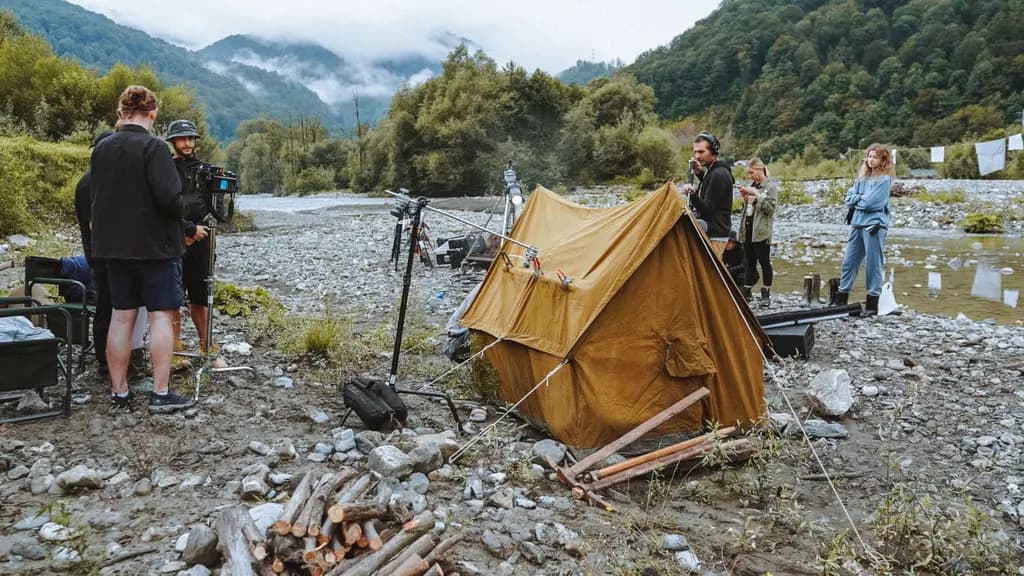
Most people watch a movie to lose themselves in the narrative. You don’t have that luxury anymore. When you watch a scene, your eyes should be darting to the frame edges, the quality of the practical lighting, and the way the blocking dictates the camera movement. You are looking for the "how" behind the "what."
Take a film like The Texas Chainsaw Massacre. It’s a masterclass in low-budget efficiency. The filmmakers used documentary-style handheld cinematography not just for aesthetic choice, but as a survival tactic. It creates a raw, visceral realism that masks the lack of high-end lighting rigs. By embracing the limitations, they turned a budget constraint into a defining stylistic hallmark. If you aren't identifying those trade-offs—why the camera is shaking, why the shadow is deep, why the edit feels claustrophobic—you are missing the technical blueprint. You aren't learning; you're just consuming.
Beyond the aesthetic, look at the logistics of their framing. They avoided complex dolly track setups that require hours of leveling and laying down plywood. Instead, they relied on natural light pouring through windows, augmented by basic, small-wattage tungsten units hidden behind furniture. When you see a scene in a dim farmhouse, don't just feel the dread; look at the exposure. Are the blacks crushed to hide a messy set, or is there genuine detail in the shadows? Understanding that the "gritty" look was often a result of using high-speed film stock pushed in development—which introduced grain—helps you realize that their "look" was a response to not having the budget for thousands of watts of HMI light to properly expose at lower ISOs.
Deconstructing the Script-to-Screen Process#
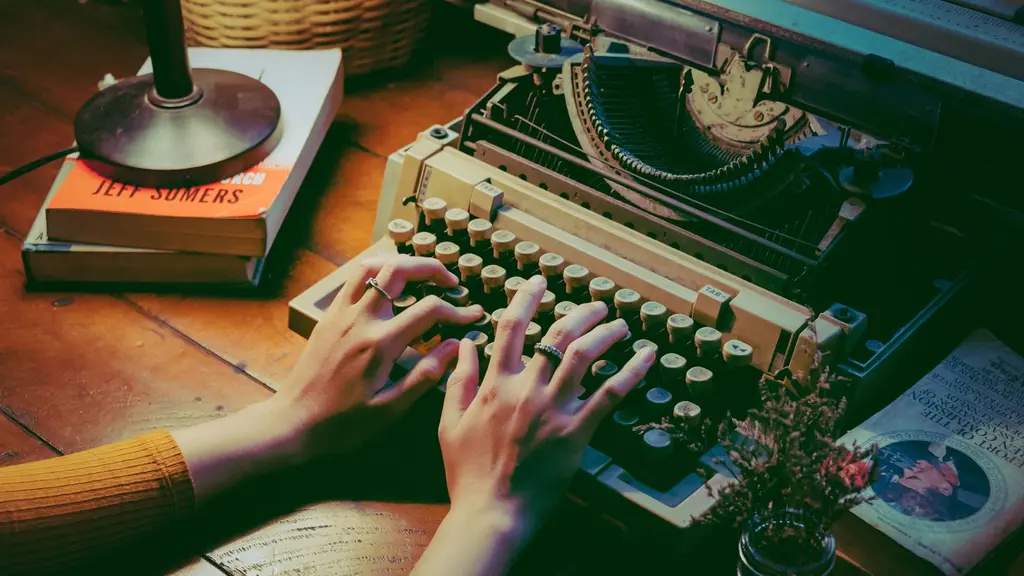
Everything starts with the page. You know the rule: one script page equals roughly one minute of screen time. But that’s a dangerous oversimplification. A page of dialogue-heavy interior drama moves faster than a page of action sequences requiring complex blocking and camera setups. Professionals use the "eighths" system to break down these pages into 1/8th increments on call sheets. This is how you measure the actual labor of a shoot day. If you don't know how to break down your script, you are flying blind.
chainsaw and rusted generator are tagged.
THE SURVIVORIt won't start.
In Scriptory: Script Breakdown
Tag props, cast, costume, vehicles, stunts and SFX on the page itself, then read them back grouped by department and by scene.
Where: Editor — Breakdown tab
When you analyze a finished film, compare the final result to the pacing of the script. Was the scene bloated? Did it run longer than the page count suggested? If a page of dialogue felt like three minutes, that’s a choice in the edit. If a complex action sequence was blocked into a single, three-minute long take, that’s a massive logistical mountain that took days to climb. Consider the "coverage" requirements. A scene with four characters and three pages of dialogue requires at least four hours of filming to capture master shots, medium shots, and individual close-ups for every actor. If the film you are watching uses a single wide shot for an entire page of dialogue, they saved massive amounts of time on lighting setups and coverage adjustments. Why did they do it? Usually, it’s because the schedule was collapsing, or they wanted to maintain the integrity of a performance without cutting away. Identifying these constraints—when a director decides to stick to one angle—is the difference between a filmmaker who can adapt and one who gets fired for going over schedule.
Analyzing Visual Language and Framing#
Visual language isn't just about "pretty" shots. It is the tactical application of optics to manipulate the audience's perception of space and power. Look at The Dark Knight. Christopher Nolan didn’t just choose IMAX cameras for the spectacle; he used them to force an unprecedented visual scale that made the city feel like a character. Every time you see a wide shot in a professional production, ask yourself: Is this a crane? A drone? A locked-off tripod shot that was stabilized in post?
Avoid the trap of thinking you need a massive budget to create a cinematic look. A single 2K Fresnel through a diffusion frame can recreate the "noir" aesthetic if you understand high-contrast ratios. When you watch a film, identify the key light. Where is it coming from? Is it motivated by a practical source—a lamp, a window, a neon sign—or is it cheating the reality of the room? If the light source doesn't match the environment, the audience feels the artifice. Look at the shadows on the walls; if there are three different shadows for one character, you know the lighting is artificial and poorly controlled. Professionals use flags and cookies (cucoloris) to break up the light, turning a clinical-looking "studio" light into something that looks like sunlight filtering through tree leaves or Venetian blinds. If you see a shot with perfectly soft, wrapped lighting on a subject's face, you are likely looking at a large diffusion frame, such as a 6x6 or 8x8 butterfly, placed just out of frame. This is a tool you can simulate with a white bedsheet and some PVC pipe if you are on a tight budget.
The Role of Editing in Pacing and Tension#
Editing is where the film is truly written for the second time. It is the final opportunity to fix a broken production day. If the coverage is weak, the editor has to hide it with inserts, reaction shots, or clever jump cuts. Look at a documentary like American Factory. The narrative focus actually shifted during the post-production phase because the editors realized the story wasn't where the directors originally thought it was.
1
Minute per script page
12
Hours in a standard shoot day
1/8
Smallest unit of scene measurement
Source: Industry standards
Tension is created through the accumulation of small, specific choices. Watch how long a shot lingers before cutting. A long take builds anticipation or dread; a rapid-fire sequence of cuts builds chaos. If you are struggling with your own edit, stop looking for "better footage." Look at how the existing footage is cut. Are you holding on the lead character's face for two seconds too long? That two-second delay is exactly where the tension goes to die. Consider the "match on action." If a character stands up in a wide shot and sits down in a close-up, the editor has to bridge that time gap. Poorly done, it creates a "jump cut" that feels like a mistake. Expertly done, it creates a rhythm that keeps the audience from noticing the cut at all. If you see a scene that feels disjointed, analyze the "eye-line." Are the actors looking in the right direction relative to each other? Often, production errors—like an actor forgetting which side they are on—are "fixed" by flipping the image in post, but this leads to massive continuity issues like wedding rings switching hands or birthmarks changing sides of the face. Watch for these glitches; they are the fingerprints of a production team scrambling to save a take in the editing suite.
Practical vs. Digital Effects: Making the Choice#
We live in an era where people assume digital VFX is the default fix for everything. That’s a mistake. Digital effects are expensive, time-consuming, and often lack the weight of reality. Practical effects—the kind that defined the original Evil Dead—require significant pre-production work. You have to build the monster, rig the blood cannons, and block the actors with the physical prop in the room.
The myth
Digital VFX is cheaper and faster than practical effects.
What actually happens
On many mid-budget shoots, the man-hours required for high-quality digital compositing far exceed the cost and time of a well-executed practical stunt.
Look at Steven Spielberg’s The Adventures of Tintin. He utilized motion-capture technology but treated the production like a live-action shoot, keeping the camera movement grounded in physical logic. When you watch movies, try to spot the "seams" in digital work. If the actor’s eyes aren't matching the physical space, or if the light on the character doesn't match the environment, the illusion breaks. Practical effects force a production to solve problems on the set, not in a server room three months later. For example, in Mad Max: Fury Road, George Miller insisted on real cars and real stunts. When you see a car flip, you see dust, oil, and actual metal bending. In a digital-heavy film, the physics often feel "floaty"—things move too fast or too slow because the animators didn't properly account for gravity and mass. If you are watching a sci-fi film and the robots look "pasted" into the scene, look at the contact points on the ground. Are there shadows? Is there interaction with the environment, like dust kicking up? These are the elements that separate a $200 million blockbuster from a bargain-bin production.
How to Conduct a Technical Film Autopsy#
You need a systematic way to take these films apart. Don't just watch; annotate. Grab a notebook or use an app. Start by noting the "Auteur"—the primary creative force—and identifying their visual signatures. Are they obsessed with symmetry? Do they favor long, drifting dollies?
The autopsy workflow
- 1
Identify the constraint
Find the one thing the filmmakers clearly couldn't do.
- 2
Map the blocking
Watch how actors move relative to the camera.
- 3
Track the light
Follow the primary light source through the scene.
- 4
Note the cut
Decide if the edit serves the story or hides a mistake.
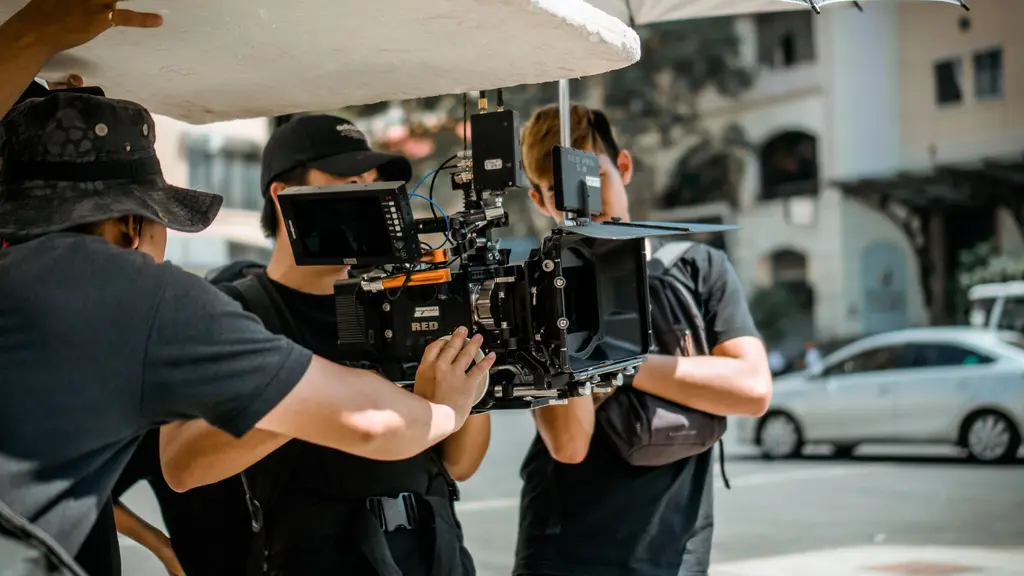
Next, look at the "Wire work" or complex camera movements. If a shot seems impossible, it’s because it was expensive or dangerous. Identify the genre and see if the production workflow matches. A "Found footage" film has a very different cost-structure and crew requirement than a traditional narrative piece, primarily because the shaky, "documentary-style" cinematography is a deliberate choice to lower production costs and increase perceived realism. If you aren't identifying why they made those trade-offs, you aren't doing the work. Try to count the "setups" in a single sequence. A setup is every time the camera and lights have to be moved and reset. If you notice that a scene has only three setups, the director was prioritizing speed to ensure they finished the scene. If you notice twenty, the director had the budget and time to pursue perfection. By counting these, you start to gauge the "intensity" of the production. A high setup count usually correlates to a higher budget or a much longer schedule. If you want to improve, emulate the filmmakers who get the most out of the fewest setups.
Applying Lessons to Your Own Low-Budget Production#
You probably don't have the budget of a major studio. You might not even have a budget at all. But you have options. If you’re adapting a story, look at how Frank Darabont leveraged a $1 option fee from Stephen King to secure the rights for The Shawshank Redemption. Talent and persistence go further than raw cash.
Scriptory Resource
Tag your script instead of retyping it
Scriptory pulls props, cast and locations straight off the page, saving you hours of breakdown time.
Stop relying on VFX to fix poor staging. If your scene is boring, move the camera. If your lighting is flat, kill the overheads and bring in a practical lamp. If your production is falling apart, prioritize the performance over the technical flash. A raw, honest performance in a poorly lit room is infinitely better than a polished, empty shot with bad CG. Think about the "negative space" in your frame. If you are shooting in a cramped apartment, don't try to make it look like a palace. Use the cramped nature to add to the story’s tension. Use long lenses to compress the background and hide the mess, or wide lenses to show the claustrophobia. The tools are less important than the intent. A simple, well-motivated movement—like a slow pan following a character's gaze—is more cinematic than a wild, unmotivated crane shot that just makes the audience dizzy.
- 1 page
- 1 minute of screen
- 1/8th page
- The smallest unit of scene tracking
- Practical FX
- Requires pre-prod planning
- Digital FX
- Requires post-prod time
- Documentary-style
- Saves on lighting costs
Every time you walk onto a set, remember: the goal is to finish the day with the footage you need, not the footage you dreamt of. The movies you admire didn't get made because they had the perfect conditions. They got made because the crew figured out how to solve the problems that appeared at 4pm when the sun started to sink. Now, go find a movie you love, turn off the sound, and start the autopsy. The real lessons are in the parts that almost failed. When you identify the "flaws"—the slightly shaky focus, the continuity error, the overly dark corner—you aren't just seeing mistakes; you are seeing the moment the filmmaker realized they were out of time and chose to finish the shot anyway. That is the true spirit of filmmaking.
Frequently Asked Questions
Quick answers to what people ask about this topic.
How do I watch a movie for educational purposes?
Watch a film at least twice. The first time, watch for the story and emotional impact. The second time, watch with the sound off to focus entirely on composition, lighting, and camera movement. This helps you isolate the visual language from the dialogue.
What is the best way to analyze a film's script?
Read the screenplay alongside the finished film. Pay attention to how the writer described a scene versus how the director chose to block it. Note where the director deviated from the script and ask yourself why those changes were necessary for the final product.
How can I learn from low-budget films?
Focus on how the filmmakers used limited resources to solve creative problems. Look for clever use of practical locations, natural lighting, and sound design. Successful low-budget films often rely on strong performances and tight, character-driven writing rather than expensive spectacle.
Should I study big-budget movies if I am an independent filmmaker?
Yes, but focus on the fundamentals rather than the budget. Analyze the blocking, the camera angles, and the editing transitions. Even if you cannot afford the same equipment, understanding the 'why' behind a professional shot helps you replicate the effect with the tools you have.
Filed Under
Format your script for free
Stop fighting Word margins. Scriptory formats your screenplay to industry standard as you type, then turns it into a breakdown, a schedule and a call sheet.
Open Scriptory Now