Key Takeaways
- A24 films frequently replace traditional Hollywood artificial setups with motivated practical lighting from lamps, windows, and firelight.
- James Laxton used available golden-hour light and shallow depth of field in Moonlight to emphasize emotional isolation.
- Pawel Pogorzelski deliberately avoided standard horror darkness in Midsommar, shooting the entire commune in bright, unsettling daylight.
- Hélène Louvart keeps handheld cameras physically close to actors in films like Never Rarely Sometimes Always to capture micro-expressions.
- Darius Khondji shot Uncut Gems handheld in crowded real locations using fluorescent light to create sensory overload.
You do not need a rental house account to make your indie look disciplined. You need to strip away everything unnecessary until only the character remains.
Master Your Lighting Package Without Breaking the Bank#
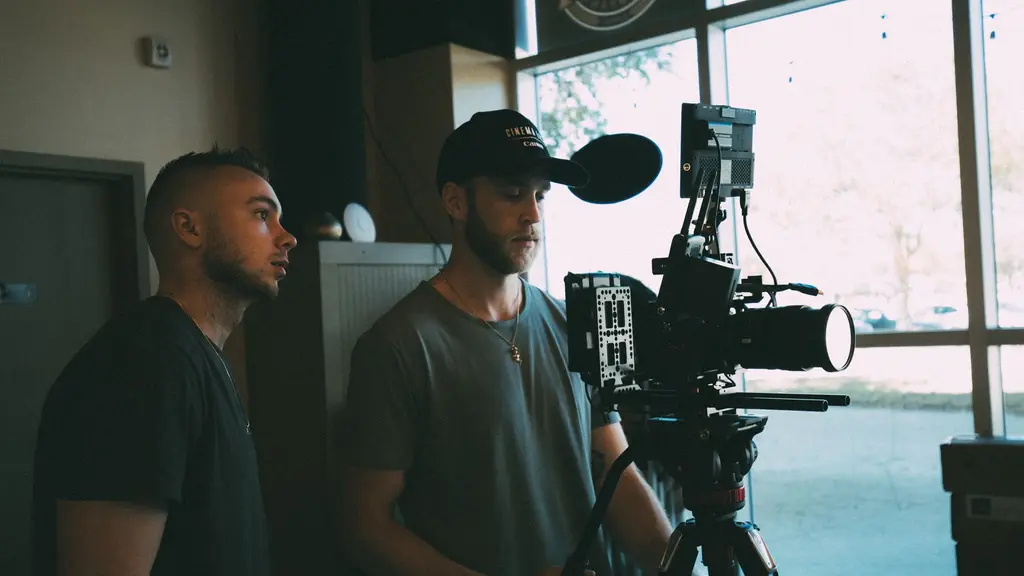
Start with your lighting package. Put your money into black wrap, diffusion, and practical lamps from a hardware store rather than heavy movie fixtures. Scout locations that already have interesting architectural lines and large windows facing north. When you bring in commercial movie lights, you often spend hours rigging heavy C-stands, running massive electrical distro, and fighting the inherent character of the room. Instead, buy rolls of Cinefoil (black wrap) to flag spills, 4x4 frames of 250 diffusion or Hampshire frost to soften harsh sun, and inexpensive porcelain socket work lights from Home Depot. Pair these work lights with 100-watt frosted household bulbs to get a warm, organic glow that mimics natural interiors. If you are shooting a night scene in a cramped apartment, tape a china ball lantern to a broom handle and boom it over your actors. This gives you a soft, wrapping source that moves naturally with the blocking. You eliminate the need for a gaffer to constantly tweak flags and dimmers, saving precious minutes on a twelve-hour shooting day. A minimal lighting kit forces your cinematographer to think like a classic painter rather than an electrical contractor. Instead of blasting a room with a 1.2K HMI, you learn to let the actors move into and out of pools of shadow. This creates high-contrast ratios naturally, driving up the perceived production value because the shadows look motivated and deep rather than muddy and crushed.
When working with these minimalist lighting tools, precision matters more than brute force. A 500-watt work light bounced into an unbleached muslin rag or an ordinary white beadboard sheet provides an instantaneous, soft key source that mimics overcast daylight pouring through a casement window. If you need to cut that bounce so it does not wrap around the entire room and flatten your contrast ratios, you simply staple a strip of black velvet or Cinefoil to the edges of your bounce frame, or fly a solid flag on a C-stand just outside the frame line. When utilizing practical lamps — such as vintage brass desk lamps, bedside table fixtures, or overhead ceiling pendants — unscrew the standard incandescent bulbs and swap them out for lower-wattage LED filaments or dimmable household globes that will not blow out your highlights. If a practical lamp feels too bright on camera, use a light layer of neutral density gel or even a square of diffusion tucked inside the lampshade to drop the output without changing the color temperature. On tight indie sets where your crew consists of a director of photography and a single uncertified gaffer or grip, eliminating heavy 2.5K Arri Pars and complex flicker boxes means you never have to worry about tripping circuit breakers in an older residential location. You plug directly into standard wall outlets, draw minimal amperage, and spend your lunch break blocking scenes instead of calculating feeder cable runs and nursing blown fuses in a damp basement.
Design Your Physical Space and Spatial Architecture#
When you prepare for your shoot, focus on building your visual vocabulary through careful spatial choices and intentional staging rather than relying on heavy equipment. Keeping your production footprint small allows you to move faster and maintain creative momentum throughout the day. Look for spaces with peeling paint, exposed brick, or strange architectural quirks that tell a story before the actors even speak a line. If your character is trapped in a failing marriage, do not shoot them in a pristine suburban open-plan kitchen; find a cramped galley apartment with low ceilings and narrow hallways that force the camera operator to squeeze into corners. This physical confinement naturally generates claustrophobia on screen without requiring an expensive technocrane or a Steadicam rig. When staging dialogue scenes, block your actors so they cross through different focal planes. Have one actor stand in the extreme foreground with their shoulder blurred out of focus, while the other sits at a kitchen table twenty feet back. This depth of field play creates layers within a single static frame, tricking the viewer's eye into registering a complex, expensive spatial environment. By using doorways, window frames, and hallway partitions to naturally frame your subjects, you avoid flat, boring television-style coverage. You create a world that feels lived-in, messy, and real, which is precisely what distinguishes a standout independent feature from a sterile student film.
To maximize these locations without a massive art department budget, rely on subtractive set design and environmental storytelling. Rather than buying hundreds of props to dress a sterile room, strip away items that contradict the character's psychological state. A room with bare walls, a single mattress on the floor, and an overflowing ashtray communicates isolation far more effectively than a cluttered room filled with generic rental furniture from a prop house. When shooting in small spaces, remove interior doors entirely to allow your camera operator and sound recordist to step out into the hallway, giving you longer unbroken tracking shots without needing an expensive wireless follow-focus system or a complex jib arm. Use the natural architectural elements of the location — such as a spiral staircase, a sunken living room step, or a low-hanging ceiling beam — to force your actors into specific physical postures. When an actor has to duck under a doorway or squeeze past a bulging bookshelf to cross the room, their body language shifts naturally, capturing a sense of physical vulnerability that no amount of directorial instruction can manufacture. This meticulous attention to physical geography transforms ordinary indie locations into cinematic chambers that visually trap, elevate, or isolate your cast members.
Turn Budgetary Constraints Into Your Signature Style#
Every creative choice should serve the underlying psychology of the scene, ensuring that your technical limitations become your greatest stylistic advantages. When indie filmmakers try to hide their lack of budget, they usually overcompensate by adding visual noise—shaky camera movements, aggressive color grading, or pointless whip pans. True discipline means leaning into the static nature of your setup. If you cannot afford a dolly, bolt your camera to a heavy tripod and lock it down for an entire three-page conversation scene. This lack of movement forces the audience to pay hyper-focused attention to the micro-expressions of the actors and the cadence of the dialogue. When the camera finally moves—perhaps a slow, agonizing push-in on the main character's face during the climax of the scene—the impact is multiplied tenfold because the audience is not fatigued by constant motion. Similarly, if your camera package lacks high-end internal ND filters, shoot during the golden hour and schedule your exterior scenes around the sun rather than trying to force continuity at high noon. Embrace the long shadows and warm color temperatures that nature provides for free. By refusing to mask your financial limits with cheap digital tricks, you forge a consistent, intentional aesthetic that viewers remember long after the credits roll.
When you abandon the pursuit of glossy perfection, you open the door to embracing happy accidents and textural imperfections that give your film a distinct identity. If your camera sensor struggles in low light, do not push your ISO into a muddy, artifact-heavy range; instead, embrace deep shadow falloff and let your subjects drop off completely into black silhouettes against a faint window backlight. If you cannot afford post-production visual effects to remove an unwanted power line or a modern car in a period-piece exterior shot, change your framing entirely by lowering your camera angle or using a foreground tree branch to naturally obscure the anachronistic element. By transforming your shot list on the fly based on what the physical environment gives you, you cultivate a nimble, documentary-like problem-solving mentality. This stops you from burning hours trying to force an impossible shot to work when a simpler, unmoving wide shot tells the exact same emotional truth with greater clarity. Your audience will forgive a lack of expensive gear, but they will never forgive a lack of narrative focus or visual coherence caused by chasing technical styles that your budget cannot support.
Build your indie look in this order
- 1
Lock your locations
Find rooms with strong natural window light before you write the scene.
- 2
Strip the grip truck
Rent fewer lights so your crew is forced to shape existing light sources.
- 3
Rehearse the blocking
Keep takes long enough that the camera has to react to the actor's breathing.
Commit Fully to Minimalist Lens Packages#
Plan your coverage tightly. If you only have two lenses—say, a 35mm and a 50mm—commit to them. Do not bring six zoom lenses to set just in case. Limitations force style. When you limit your focal lengths to a single prime lens or a strict pairing, you establish a consistent psychological perspective for the entire film. Carrying a massive Pelican case full of heavy cinema zooms invites endless second-guessing on set. Directors waste hours swapping out glass trying to find the "right" focal length for a single reaction shot, killing momentum and exhausting the cast. Sticking to a 35mm prime, for instance, forces you to get physically close to your actors, creating an intimate, immersive documentary feel that puts the audience right in the middle of the action. If you need a tighter shot, you walk the camera forward; if you need a wider view, you step back. This physical engagement with the space alters how your camera operator moves and breathes with the performers. Matching glass across a minimalist package ensures that your skin tones, flare patterns, and corner sharpness remain consistent from scene to scene, even when you are cutting between locations shot weeks apart.
Using a restricted lens set also drastically simplifies your camera support requirements, allowing you to move quickly from setup to setup without breaking down heavy follow-focus motors, matte boxes, and accessory rails. When your camera package consists of a lightweight mirrorless body or a stripped-down cinema camera like a Sony FX3 or Canon C70 paired with a single manual vintage prime lens — such as a classic Helios 44-2 or a Canon FD 50mm f/1.4 — your entire rig can weigh less than five pounds. This featherlight footprint means your camera operator can handhold the camera for ten-hour shooting blocks without developing debilitating shoulder strain, maintaining steady, organic micro-movements that feel alive rather than mechanically stabilized. Committing to a single focal length for an entire sequence eliminates the temptation to shoot redundant safety coverage from wide, medium, and close angles. You are forced to make editorial decisions in pre-production and on the day of the shoot, deciding precisely where the camera lives and refusing to cut unless the dramatic stakes absolutely demand a change in perspective. This disciplined approach slashes your daily setup times in half, giving your actors more time to rehearse their emotional arcs and keeping the entire crew energized.
Silence the Noise and Find Your Authentic Voice#
When you stop trying to make every frame look like a commercial and start making every frame serve the character's internal pressure, you stop imitating the A24 aesthetic and start finding your own. Too many first-time directors build shot lists by pulling reference images from big-budget studio trailers or trendy music videos, resulting in a patchwork quilt of stolen ideas that lacks a unified soul. Strip away the visual clutter of drone shots, slow-motion hero walks, and gratuitous lens flares. Ask yourself a simple question: what is the character experiencing in this exact moment, and how can the frame communicate that feeling with the absolute minimum number of elements? If a scene requires silence, let it be silent. If a conversation is awkward, let the camera linger on the uncomfortable pause instead of cutting away to a safety shot. By trusting the strength of your script and the raw talent of your actors, you strip away the artifice that plagues contemporary independent cinema. You stop hiding behind equipment and start focusing on storytelling, which is the only element that will make your film endure long after the trends of today have faded.
When you cut away all the unnecessary cinematic ornamentation, you discover that a quiet, locked-off master shot held for three minutes can convey more emotional devastation than a dizzying 360-degree gimbal spin or an over-lit emotional breakdown scene. Encourage your actors to inhabit their silences, trusting that a lack of dialogue or camera movement will force the audience lean in closer to decode micro-expressions, posture shifts, and breathing patterns. By stripping your filmmaking down to its bare structural components — authentic performances, motivated natural light, intentional spatial geography, and uncompromising focal length choices — you build an unmistakable cinematic signature that cannot be replicated by simply renting more expensive gear. Your indie film stops looking like a collection of expensive aesthetic trends patched together from Instagram reels, and starts looking like a unified, singular work of art driven entirely by character, truth, and uncompromising creative discipline.
Frequently Asked Questions
Quick answers to what people ask about this topic.
What makes A24 cinematography look so different from mainstream studio films?
A24 films prioritize emotional realism over polished spectacle by relying on practical lighting, restrained color grading, and intimate handheld camera movements. Rather than using bright studio setups and fast editing, their cinematographers often let scenes play out in longer takes that keep the viewer psychologically close to the characters.
Why do so many A24 films use natural and available light?
Natural light creates organic variations in skin tones and uneven shadows that artificial movie lights struggle to replicate. Films like Moonlight and The Witch use available light sources to make historical or contemporary environments feel physically grounded and lived-in.
Is the distinctive A24 visual style expensive to achieve on an independent film?
Not necessarily, as many core A24 techniques translate exceptionally well to modest budgets. Using real locations, practical household lamps, and restrained handheld coverage often reduces equipment costs while forcing the creative team to focus on strong framing and character psychology.
What cameras do A24 cinematographers typically use on their productions?
A24 productions do not use a single proprietary camera brand or model. While the Arri Alexa platform has been used on major titles like Moonlight, The Witch, and Uncut Gems, productions frequently shoot on various digital cinema systems and 35mm film depending on the project's visual goals.
Format your script for free
Stop fighting Word margins. Scriptory formats your screenplay to industry standard as you type, then turns it into a breakdown, a schedule and a call sheet.
Open Scriptory Now